

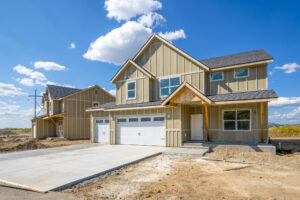
 Investing in single-family rental properties can add a newer asset to a portfolio, although the purchase should be judged on both benefits and tradeoffs. A builder-finished home can start at a higher price point, while it may offer benefits such as more customization options, improved energy efficiency, and reduced maintenance needs during the first years of ownership. Optional features can increase the final basis, while price concessions may be harder to secure than in a resale deal. To decide whether the premium is justified, weigh the pros and cons carefully to maximize your return on investment.
Why Consider New Construction for Your Rental Portfolio?
Purchasing new construction as a rental property can appeal to buyers seeking a modern home that can move into leasing with relatively little preparation. The home can enter the market with newer surfaces, fixtures, and equipment already in place. Because new construction usually includes the major installed features, out-of-pocket expenses are typically minimal between purchase and the first signed lease.
When delivery and closing line up, the home can move toward lease-up without an extended construction project after purchase. Owners may improve rental appeal by focusing on useful upgrades and smart home features. For tenants who want practical smart-home functionality, smart thermostats and security systems can contribute to a more current rental experience for tenants who expect connected features.
Top Benefits of Energy-Efficient, Smart Homes for Renters
A never-before-occupied rental offers a clear marketing advantage: prospective tenants may value being the first to live in the space. Attracting quality tenants is key to rental success. Energy-conscious design can improve household operating efficiency and help deliver lower utility bills and greater environmental sustainability. Up-to-date appliances and HVAC equipment can reinforce the advantages of a modern, efficient rental.
Combined, these advantages can make new construction an appealing choice for rental property investors. Buyers should balance the appeal of newness with a close look at construction standards and the builder’s record.
Defects can lead to extended discussions with the builder, delayed fixes, or unplanned maintenance spending if warranty work is slow. Extra finishes, fixtures, or layout changes can inflate the purchase price without producing an equal increase in rental income.
Is New Construction the Right Investment for You in Today’s Market?
Investors who rely on substantial purchase discounts may find new construction less compatible with their acquisition model. A builder typically evaluates each sale in the context of the overall project, which can restrict price flexibility.
A direct reduction can influence the next round of comparable sales, so builders frequently protect the base price even when they want to move inventory. The better negotiating path may be to ask about value elsewhere, so it is wise to inquire about current incentives, closing cost assistance, or upgrades that may be available.
Before purchasing a new home as a rental property, weigh the pros and cons carefully. Study the local rental market, projected tenant demand, together with the features that can make the property more competitive for the intended tenant group. With a clear understanding of demand and total cost, new construction can deliver strong long-term returns.
Local rental data gives owners a stronger basis for deciding whether a particular new build belongs in their portfolio. For a more informed view of rental opportunities in Richardson, owners can work with Real Property Management One Source. We perform market assessments for all potential rental properties, ensuring owners who partner with us have the tools and information they need to make the best investment decisions. To ask about market information for a property you are considering, contact us online.
This content is provided for general informational and educational purposes only and does not constitute financial, legal, tax, or investment advice. Readers should consult with licensed professionals regarding their specific circumstances.
We are pledged to the letter and spirit of U.S. policy for the achievement of equal housing opportunity throughout the Nation. See Equal Housing Opportunity Statement for more information.
